
Four Things to Think About When Looking for a Creative Partner
Four principles I learned from watching partnerships succeed and fail

Before we jump into it, I just wanted to apologize for my disappearance. I was swallowed by the demands of a PhD application as well as negotiating a partnership with an early-stage startup that is quite aligned with my values. If we do reach a deal, I will share a bit more about it here, but for now, I want to share some thoughts on what I'm taking into consideration while I evaluate if this partnership makes sense for me or not, and maybe some of it can help you as well.
As mentioned before, I was blessed enough to co-found a startup with someone I knew and trusted deeply, and it made all the difference during the tough times we had together. When you don't know if you will have cash to pay for the salaries of your team next month, the last thing you need is to spend time and energy wondering if your partner has the correct priorities. So we should start by stating the obvious: a good partner (of any kind) is a partner you can trust.
Now let's move on to other guiding principles I've been using myself, principles which I learned after years of watching partnerships succeed and fail around me.
1. Look for Complementary Strengths, Not Mirror Images
Be it life partners, business partner, or creative partners, I do believe we need to complement each other. Complementarity allows us to add value to the other person, to learn from each other, and it offers different perspectives on challenges we will inevitably face together.
A good example of a creator who knew how to build potent partnerships was David Bowie. He wasn't looking for someone like him, instead, he partnered with people like Brian Eno and John Lennon, people whose skills completed his vision in ways he couldn’t complete it himself. When Bowie worked with John Lennon on “Fame,” their differences created something electric that neither could have made alone.
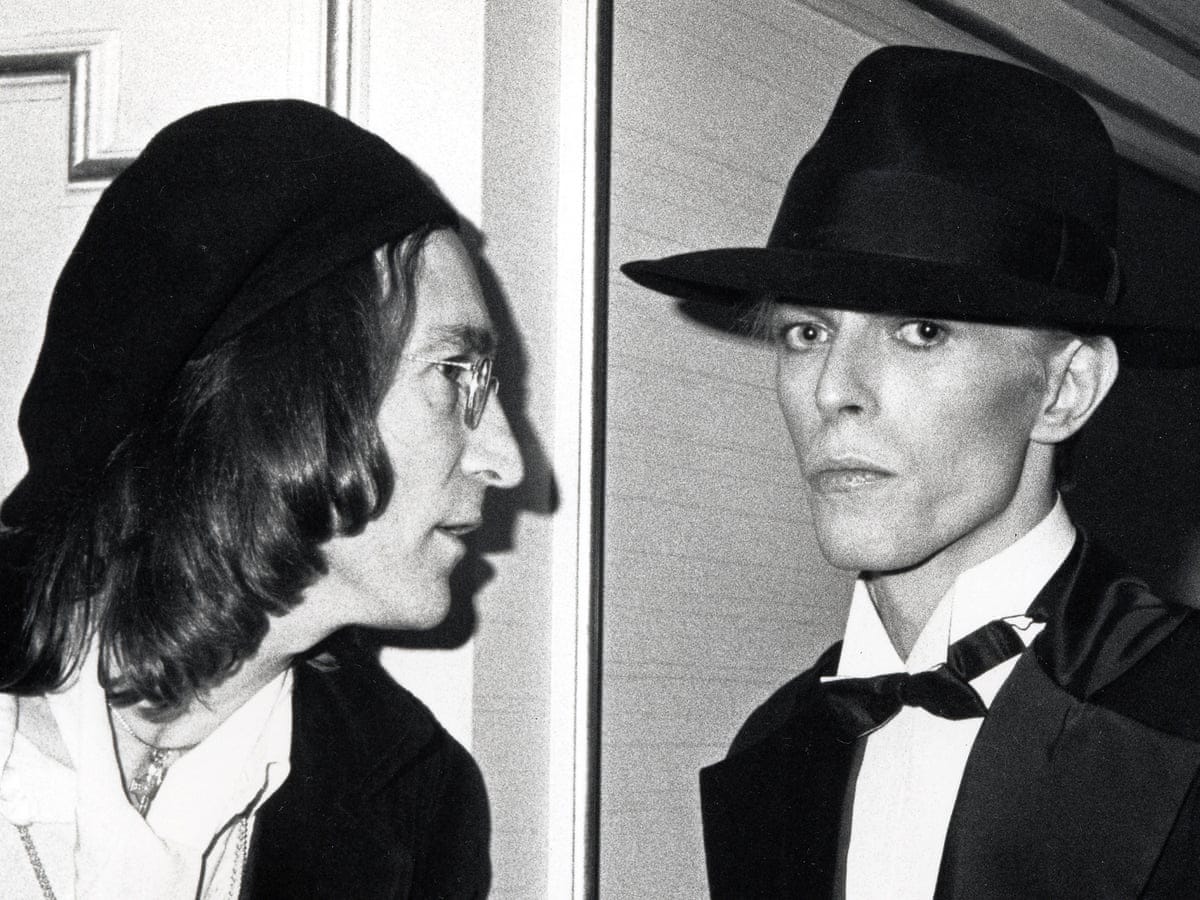
The research backs this up. Studies on collaborative creativity show that diverse skill sets and perspectives lead to more innovative outcomes. You want someone different enough to challenge you, but aligned enough to move in the same direction.
Ask yourself:
What am I genuinely bad at? (Be honest.)
What drains my creative energy?
What parts of the creative process make me come alive?
Then look for someone whose answers are different from yours. If you love ideation but hate execution, find someone who gets energized by seeing things through. If you’re a big-picture thinker, partner with someone who notices details you’d miss.
The goal is finding someone who fills the gaps in your creative architecture.
2. Test for Psychological Safety Before Diving Deep
Psychoanalysis taught us that creative blocks often come from unconscious fears. When you partner with someone, you’re sharing more than tasks. You’re potentially triggering each other’s deepest creative anxieties.
The best creative partnerships have what researchers call “psychological safety”, which is the ability to be vulnerable, make mistakes, share half-baked ideas, and know you won’t be judged or dismissed.
Before committing to a major project together, test the waters:
Share a genuinely bad idea with them. How do they respond? Do they shoot it down or build on it?
Show them work you’re not proud of. Do they make you feel small, or do they help you see potential?
Disagree about something. Can you both hold different views without one person dominating or shutting down?
Resistance lives, many times, in fear of judgment. If your potential partner makes that fear stronger, you’ll spend more energy managing your anxiety than creating. The person you partner with should make you feel braver.
3. Align on the “Why,” Not Just the “What”
This is a very important one, especially if we want the partnership to grow beyond a single project.
If you are a creator or entrepreneur, you may connect with people who are developing very exciting things, with which you really want to get involved. But an aligned project is not necessarily a signal of an aligned way of seeing the world.
When partners have different invisible goals, working together becomes difficult.
One person may want external validation and fame, while the other wants personal expression. One may focus on profit, while the other may prioritize the community. Both probably want to “make great work,” but what that means to each of them is many times fundamentally different.
Before you commit, talk about:
Why are you doing this work? (Dig past the surface answer.)
What does success look like to you? (Be specific. Money? Impact? Joy in the process?)
What are you willing to sacrifice for this work? (Time, comfort, other opportunities?)
What’s non-negotiable for you?
You don’t need identical answers, but you need compatible ones. A partnership between someone who wants to move fast and break things and someone who wants to craft perfection will create constant friction. Neither approach is wrong, but they need to coexist productively.
4. Establish Clear Roles and Boundaries (While Staying Flexible)
This one is gold, and it relates deeply with complementarity. When each of you are great at different things, establishing clear roles and boundaries are piece of cake.
This is important because one of the biggest killers of creative partnerships is resentment that builds when roles are unclear. One person feels like they’re doing all the work while the other feels micromanaged, and both end up feeling under-appreciated.
When I co-founded my startup, we succeeded partly because we divided responsibilities clearly. Victor handled certain areas, such as product development, and I handled others, such as operations. Neither of us picked up the slack for the other, which forced accountability.
Clear boundaries don't mean rigid, though. Sometimes inspiration comes or circumstances demand, and we end up jumping the fence to the other side to support our partners the best way we can.
Set up your partnership with:
Primary areas of ownership (who drives what?)
Communication rhythms (how often do you check in? How do you share feedback?)
Conflict resolution agreements (what happens when you disagree?)
And then, aim at evolving these agreements. A partnership is a living thing, and what works at the beginning might not work six months in. The willingness to renegotiate matters as much as the initial agreement.
The Real Question
The question isn’t whether you need a creative partner, it is if you are choosing partners that bring out your best work or if you are settling for anyone who is willing to work with you.
A bad partnership drains your energy worse than working alone. It will amplify your doubts and make you question whether you’re cut out for this creative life.
But the right partnership can transform fear into curiosity, blocks into breakthroughs, and lonely struggles into shared adventures.
So think carefully about these four things, and any other things you may see fit, and once you find someone who is not perfect but checks these boxes, hold tight to them because they don't come by every day.
All creation is relational. If you found this post helpful, please consider sharing it with other creators or supporting me with a one-time contribution. ♡
A quote to inspire:
“The meeting of two personalities is like the contact of two chemical substances: if there is any reaction, both are transformed.”
— Carl Jung
Very useful and practical comments. I think this also applies to my marriage, where my husband and I founded a business together. Definitely the "who's in charge of what and don't step on each other's toes" was super important!
This is a very wise perspective, and such a critical decision point in so many aspects of life.